The Transformative Power of Art in Spiritual Growth

Art has an incredible ability to transcend boundaries, evoke emotions, and inspire change. It serves as a medium through which individuals can explore their inner selves and connect with the universe. In the realm of spiritual growth, art plays a pivotal role, offering pathways to self-discovery, healing, and enlightenment. This blog post delves into the transformative power of art in spiritual growth, exploring how various forms of artistic expression can facilitate personal and spiritual development.

Understanding Spiritual Growth
Spiritual growth is a deeply personal journey that involves the exploration of one's beliefs, values, and purpose in life. It is about seeking a deeper connection with oneself, others, and the universe. This journey can take many forms, including meditation, prayer, and self-reflection. However, art provides a unique avenue for exploration and expression.
The Role of Art in Spiritual Growth
Art can serve as a powerful tool for spiritual growth in several ways:
Self-Expression: Creating art allows individuals to express their thoughts, feelings, and experiences in a tangible form. This process can lead to greater self-awareness and understanding.
Healing: Engaging with art can be therapeutic. It can help individuals process emotions, confront trauma, and find solace in difficult times.
Connection: Art fosters a sense of connection with others. Whether through shared experiences in creating or appreciating art, individuals can build community and support one another on their spiritual journeys.
Reflection: Art encourages introspection. Viewing or creating art can prompt individuals to reflect on their beliefs and values, leading to deeper insights.
Different Forms of Art and Their Impact
Visual Arts
Visual arts, including painting, sculpture, and photography, offer a rich medium for spiritual exploration. Artists often channel their emotions and experiences into their work, creating pieces that resonate with viewers on a profound level.
Example: Painting as a Spiritual Practice
Many artists use painting as a form of meditation. The act of applying paint to canvas can be a meditative experience, allowing the artist to enter a state of flow. This process can lead to revelations about oneself and one's place in the world. For instance, the abstract expressionist artist Mark Rothko created large, color-field paintings that invite viewers to contemplate their emotions and spirituality.
Performing Arts
The performing arts, including dance, theater, and music, also play a significant role in spiritual growth. These art forms can convey powerful messages and evoke deep emotions.
Example: Dance as a Spiritual Journey
Dance has been used for centuries as a form of spiritual expression. Many cultures incorporate dance into their religious rituals, using movement to connect with the divine. Modern dance forms, such as contemporary and improvisational dance, allow individuals to express their spirituality through movement, often leading to a sense of liberation and connection with the universe.
Literary Arts
Literature, including poetry, prose, and storytelling, can also facilitate spiritual growth. Words have the power to inspire, heal, and provoke thought.
Example: Poetry as a Reflection of Spirituality
Poets often explore themes of existence, love, and the human experience in their work. For example, Rumi, a 13th-century Persian poet, wrote extensively about love and spirituality, encouraging readers to seek a deeper connection with themselves and the divine. His poems continue to resonate with individuals seeking spiritual growth today.
The Therapeutic Benefits of Art
Engaging with art can have profound therapeutic benefits, making it an essential tool for those on a spiritual journey. Here are some ways art therapy can support spiritual growth:
Emotional Release: Creating art allows individuals to express emotions that may be difficult to articulate verbally. This release can lead to emotional healing and a greater understanding of oneself.
Mindfulness: The process of creating art encourages mindfulness, helping individuals stay present in the moment. This practice can enhance spiritual awareness and connection.
Empowerment: Engaging with art can empower individuals to take control of their narratives. By expressing their stories through art, they can reclaim their identities and experiences.
Art as a Community Connector
Art has the power to bring people together, fostering a sense of community and shared experience. In spiritual growth, community support is vital. Here’s how art can connect individuals:
Collaborative Projects: Community art projects encourage collaboration and connection. These initiatives can create a sense of belonging and shared purpose, essential for spiritual growth.
Workshops and Retreats: Art workshops and retreats provide opportunities for individuals to explore their spirituality in a supportive environment. Participants can share their experiences, learn from one another, and grow together.
Practical Steps to Incorporate Art into Your Spiritual Journey
If you're interested in harnessing the transformative power of art for your spiritual growth, consider the following practical steps:
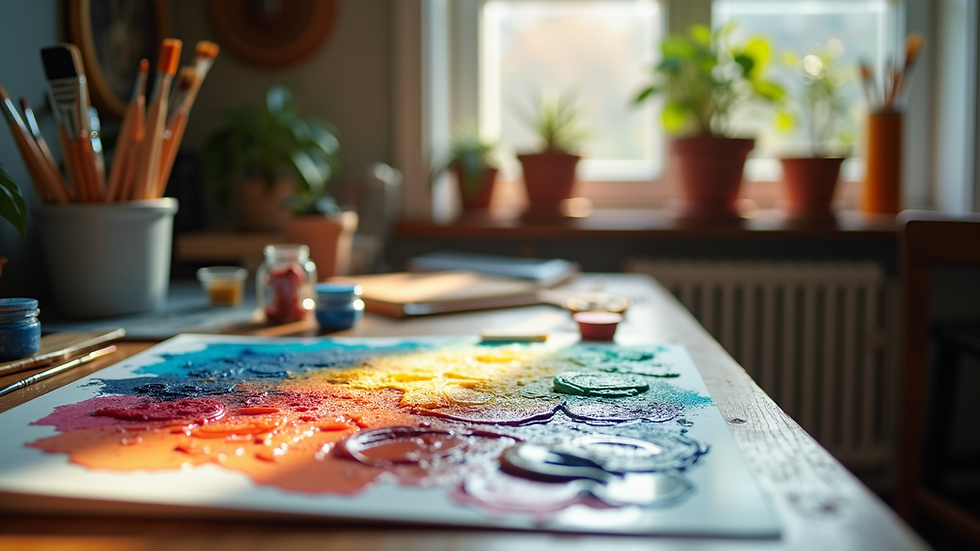
Create a Dedicated Space: Set up a space in your home where you can create art without distractions. This space should inspire you and encourage creativity.
Experiment with Different Mediums: Explore various forms of art, such as painting, drawing, writing, or music. Find what resonates with you and allows for self-expression.
Join a Community: Seek out local art groups, workshops, or online communities where you can connect with others who share your interests in art and spirituality.
Set Intentions: Before creating art, take a moment to set intentions for your practice. Consider what you hope to explore or express through your art.
Reflect on Your Work: After creating, take time to reflect on your artwork. What emotions or thoughts does it evoke? How does it relate to your spiritual journey?
Conclusion
The transformative power of art in spiritual growth is undeniable. Through self-expression, healing, and connection, art serves as a vital tool for individuals seeking to deepen their understanding of themselves and the universe. By incorporating art into your spiritual journey, you can unlock new pathways to self-discovery and enlightenment. Embrace the creative process, and allow art to guide you on your journey toward spiritual growth.
As you explore the world of art, remember that it is not just about the final product but the journey of creation itself. Allow yourself to be vulnerable, open, and curious. The transformative power of art awaits you.

Comments