Meditative Art Practices: A Path to Consciousness

Art has long been a medium for expression, but it can also serve as a powerful tool for meditation and self-discovery. Meditative art practices invite individuals to engage with their creativity in a way that promotes mindfulness and enhances consciousness. This blog post explores various meditative art techniques, their benefits, and how you can incorporate them into your daily routine.
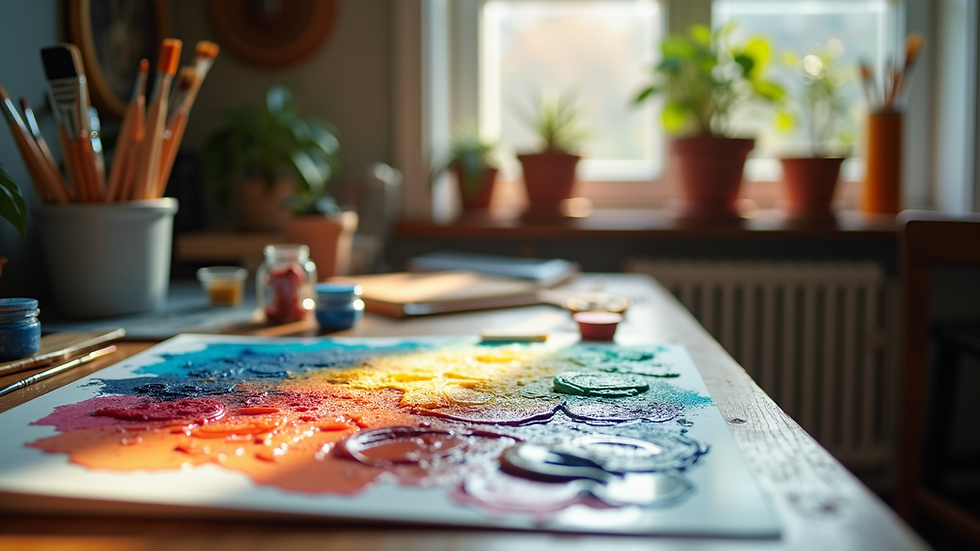
Understanding Meditative Art
Meditative art combines the principles of mindfulness with creative expression. It encourages individuals to focus on the process of creating rather than the final product. This approach can lead to a deeper understanding of oneself and the world around us.
The Essence of Mindfulness in Art
Mindfulness is the practice of being present in the moment. When applied to art, it means fully engaging with the materials, colors, and textures without judgment. This can help reduce stress, enhance creativity, and foster a sense of peace.
Benefits of Meditative Art Practices
Engaging in meditative art practices offers numerous benefits, including:
Stress Reduction: Focusing on art can help alleviate anxiety and promote relaxation.
Enhanced Creativity: Allowing yourself to create without constraints can unlock new ideas and perspectives.
Increased Self-Awareness: Art can serve as a mirror, reflecting your thoughts and emotions.
Improved Focus: The act of creating can sharpen your concentration and attention span.
Different Meditative Art Techniques
There are various techniques you can explore to incorporate meditative art into your life. Here are some popular methods:
1. Mandala Drawing
Mandalas are geometric designs that can be filled with colors and patterns. The repetitive nature of mandala drawing can be incredibly soothing. To get started:
Choose a simple mandala template or draw your own.
Use colored pencils or markers to fill in the design.
Focus on the colors and patterns as you work, allowing your mind to relax.
2. Watercolor Painting
Watercolor painting is an excellent way to express emotions and thoughts through color. The fluidity of watercolors encourages spontaneity and exploration. Here’s how to practice:
Gather watercolor paints, brushes, and paper.
Start with a blank page and allow your brush to move freely.
Focus on the movement of the brush and the blending of colors.
3. Collage Making
Creating a collage involves gathering images, textures, and materials to form a new piece of art. This technique allows for creative expression without the pressure of traditional art forms. To create a collage:
Collect magazines, newspapers, and other materials.
Cut out images and words that resonate with you.
Arrange them on a canvas or paper, gluing them down as you go.
4. Nature Art
Nature art involves using natural materials to create art. This practice connects you with the environment and encourages mindfulness. To create nature art:
Collect leaves, flowers, stones, or twigs during a walk.
Arrange them into a design on the ground or a canvas.
Take a moment to appreciate the beauty of the materials you’ve chosen.
Incorporating Meditative Art into Your Routine
To reap the benefits of meditative art practices, consider incorporating them into your daily routine. Here are some tips to help you get started:
Set Aside Time
Dedicate a specific time each week for your art practice. Whether it’s 30 minutes or a few hours, consistency is key.
Create a Comfortable Space
Designate a space in your home where you can create without distractions. Ensure it’s well-lit and stocked with your art supplies.
Embrace Imperfection
Remember that the goal of meditative art is not to create a masterpiece but to enjoy the process. Allow yourself to make mistakes and explore freely.
Reflect on Your Experience
After each session, take a moment to reflect on your feelings and thoughts. Journaling about your experience can deepen your understanding of your creative journey.
Conclusion
Meditative art practices offer a unique path to consciousness and self-discovery. By engaging with art in a mindful way, you can unlock creativity, reduce stress, and enhance your overall well-being. Whether you choose to draw mandalas, paint with watercolors, create collages, or explore nature art, the key is to enjoy the process and embrace the journey of self-expression.
As you embark on this artistic adventure, remember to be present, let go of expectations, and allow your creativity to flow. Start today and discover the transformative power of meditative art.
Comments