Exploring Inner Journeys Through Visual Art

Visual art has a unique ability to transcend language and cultural barriers, offering a glimpse into the artist's inner world. It serves as a powerful medium for self-expression, allowing individuals to explore their emotions, thoughts, and experiences. In this blog post, we will delve into how visual art can facilitate personal exploration and growth, providing insights into the transformative power of creativity.

The Connection Between Art and Emotion
Art is often described as a reflection of the human experience. It captures the complexities of emotions, from joy to sorrow, and everything in between. When we engage with visual art, we are not just observing; we are connecting with the artist's emotional landscape. This connection can lead to profound personal insights.
Understanding Emotional Expression
Visual art allows for the expression of emotions that may be difficult to articulate. For instance, an abstract painting filled with chaotic brushstrokes might represent feelings of anxiety or turmoil. Conversely, a serene landscape can evoke peace and tranquility. By interpreting these visual cues, viewers can gain a deeper understanding of their own emotional states.
Case Study: The Impact of Art Therapy
Art therapy is a growing field that utilizes visual art as a therapeutic tool. Research has shown that engaging in creative activities can reduce stress, improve mood, and enhance overall well-being. For example, a study published in the Journal of the American Art Therapy Association found that participants who engaged in art-making reported significant decreases in anxiety levels.
The Role of Creativity in Self-Discovery
Creativity is not just for artists; it is a fundamental aspect of being human. Engaging in creative activities can lead to self-discovery and personal growth. When we create, we tap into our subconscious, revealing hidden thoughts and feelings.
Exploring Different Mediums
Different artistic mediums can evoke various responses and facilitate self-exploration. Here are a few examples:
Painting: This medium allows for spontaneous expression. The act of applying paint can be cathartic, helping individuals release pent-up emotions.
Sculpture: Working with three-dimensional forms encourages tactile engagement, which can ground individuals and provide a sense of stability.
Photography: Capturing moments through a lens encourages mindfulness and reflection, allowing individuals to see the world from new perspectives.
Personal Reflection Through Art
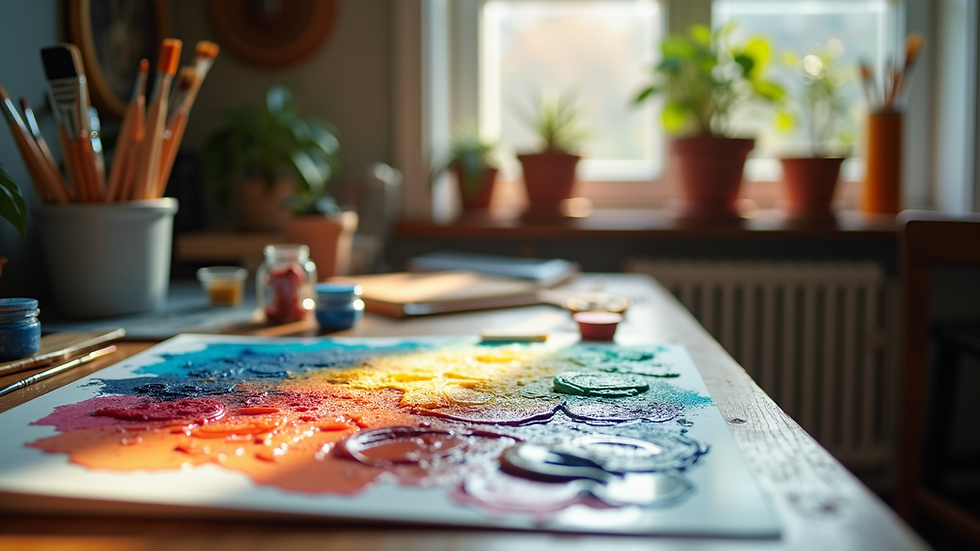
Creating art can serve as a mirror, reflecting our inner thoughts and feelings. For instance, an individual may start with a blank canvas, unsure of what to create. As they begin to paint, their emotions may surface, guiding their choices of color and form. This process can lead to unexpected revelations about oneself.
Art as a Tool for Healing
Art has long been recognized for its therapeutic benefits. It can serve as a powerful tool for healing, helping individuals process trauma and navigate difficult emotions.
The Healing Power of Art
Engaging in artistic activities can promote healing in several ways:
Expression: Art provides a safe space for individuals to express feelings that may be difficult to verbalize.
Catharsis: The act of creating can be cathartic, allowing individuals to release emotions and find relief from psychological burdens.
Connection: Sharing art with others can foster a sense of community and connection, reducing feelings of isolation.
Example: Art in Recovery Programs
Many recovery programs incorporate art therapy as a means of healing. For example, organizations like The Art of Recovery use creative expression to help individuals in addiction recovery explore their emotions and rebuild their lives. Participants often report feeling empowered and more in touch with their feelings after engaging in art-making.
The Influence of Culture on Artistic Expression
Cultural background plays a significant role in shaping an artist's perspective and the themes they explore in their work. Understanding these cultural influences can deepen our appreciation for visual art and its ability to convey complex narratives.
Cultural Narratives in Art
Art often reflects the values, beliefs, and experiences of a culture. For instance, Indigenous art frequently incorporates symbols and stories that are integral to the community's identity. By engaging with these artworks, viewers can gain insights into different worldviews and experiences.
Example: The Role of Street Art
Street art is a powerful form of visual expression that often addresses social and political issues. Artists like Banksy use their work to comment on societal injustices, inviting viewers to reflect on their own beliefs and values. This form of art can spark conversations and inspire change, highlighting the role of creativity in social movements.
Engaging with Art for Personal Growth
To fully harness the power of visual art for personal exploration, individuals can adopt various practices that encourage engagement and reflection.
Creating a Personal Art Practice
Establishing a regular art practice can be a transformative experience. Here are some tips to get started:
Set Aside Time: Dedicate specific times each week to create art without distractions.
Experiment with Different Mediums: Explore various forms of art to discover what resonates with you.
Reflect on Your Work: After creating, take time to reflect on the emotions and thoughts that surfaced during the process.
Joining Art Communities
Connecting with others who share a passion for art can enhance your creative journey. Consider joining local art groups, attending workshops, or participating in online forums. These communities can provide support, inspiration, and opportunities for collaboration.
Conclusion
Visual art is a powerful medium for exploring inner journeys and fostering personal growth. By engaging with art, whether through creation or observation, individuals can gain insights into their emotions, experiences, and cultural narratives. The transformative power of creativity can lead to healing, self-discovery, and a deeper understanding of oneself and the world.
As you embark on your own artistic journey, remember that the process is just as important as the outcome. Embrace the exploration, and allow your creativity to guide you toward new insights and experiences.

Comments